Description
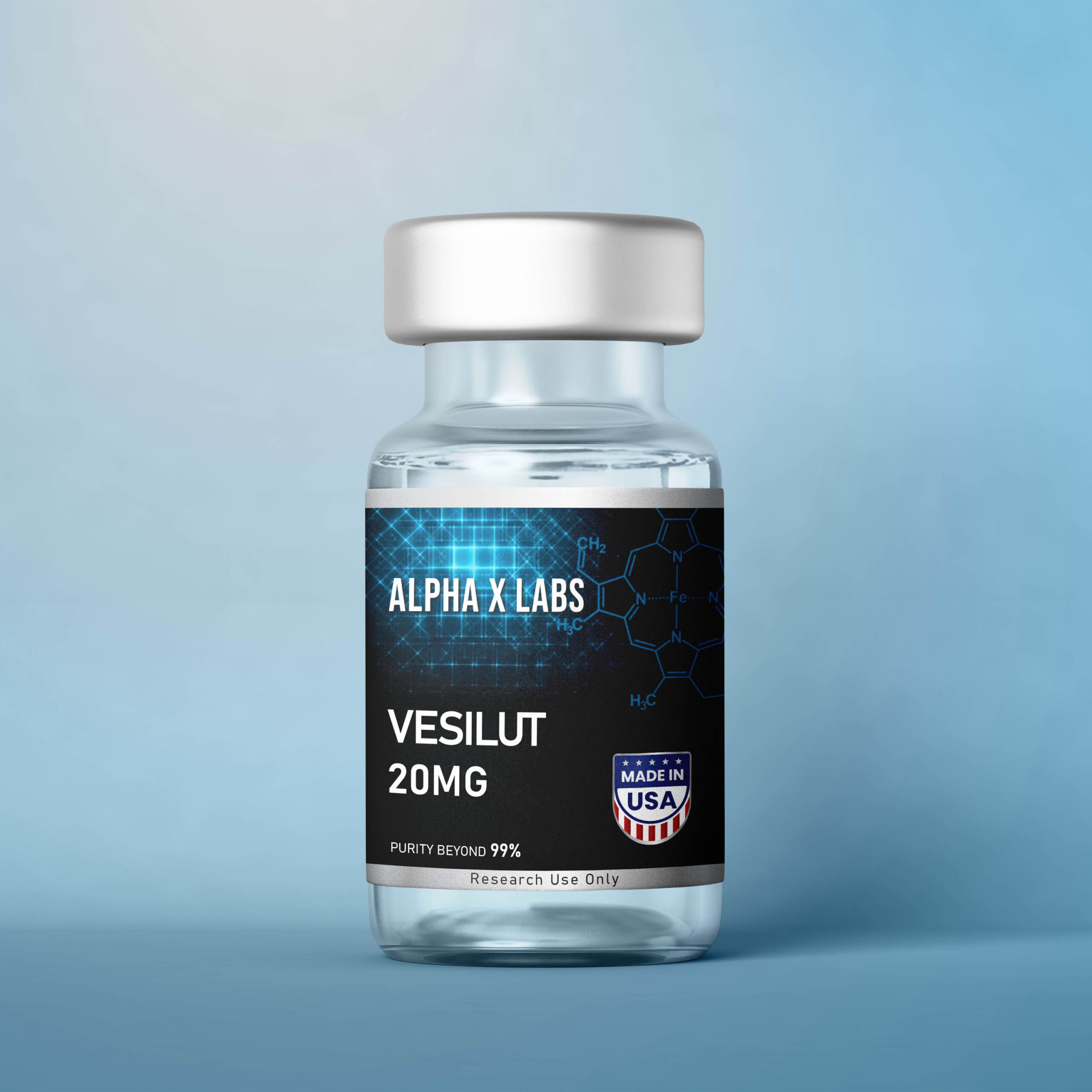
Vesilut, also known as ED (Glu‑Asp), is a synthetic bioregulator peptide classified among the Khavinson peptides. It contains the dipeptide sequence glutamic acid–aspartic acid, which is also found in related bioregulator peptides such as Prostamax (Lys‑Glu‑Asp‑Pro). Due to its similarity with other Khavinson‑class peptides, Vesilut is expected to exhibit comparable potential actions on tissues such as prostate gland cells and bladder cells.
As a bioregulator (citomedine), Vesilut is posited to exert its actions primarily through direct interaction with gene expression at the cellular level, although specific published research on Vesilut itself is limited.
Chemical Makeup
Molecular formula: C₉H₁₄N₂O₇
Molecular weight: 262.2 g/mol
Sequence: Glu‑Asp
Other known titles: alpha‑glutamylaspartic acid, ED, SCHEMBL1674753, Vesilute
Research and Experimental Context
Vesilut and Urinary/Prostate Function
Because direct research on Vesilut is scarce, information on its potential actions is often drawn from related bioregulator peptides with the same Glu‑Asp sequence. In experimental models of chronic aseptic inflammation in prostate tissues, peptides similar to Vesilut have been associated with reduced swelling and changes in tissue fluid dynamics, possibly by modulating immune cell activity and vascular responses. These effects were linked with decreased edema, reduced hyperemia (excess blood in vessels), and normalization of blood flow in inflamed tissues.
Such peptides have also been theorized to influence cellular infiltration — a marker of immune response — by regulating migration and activity of immune cells, which may help balance inflammation at the cellular level. In addition, they have been suggested to block the development of sclerotic processes (hardening of tissues) by preventing prolonged inflammatory changes.
Vesilut and Gene Bioregulation
Peptides like Vesilut may have proposed roles in modulating chromatin structure, particularly in aging cells. Some models suggest they might interact with DNA or chromatin to decondense regions that have become less active, potentially reactivating genes that had been silenced due to aging. This may lead to increased protein synthesis and changes in gene expression patterns in affected cells.
Experimental discussions also propose possible impacts on mechanisms such as sister chromatid exchanges (SCE) — a natural genetic process during cell division — which could be related to chromosomal repair and maintenance mechanisms.
Vesilut peptide is available for research and laboratory purposes only. Please review and adhere to the site’s Terms and Conditions before ordering.