Description
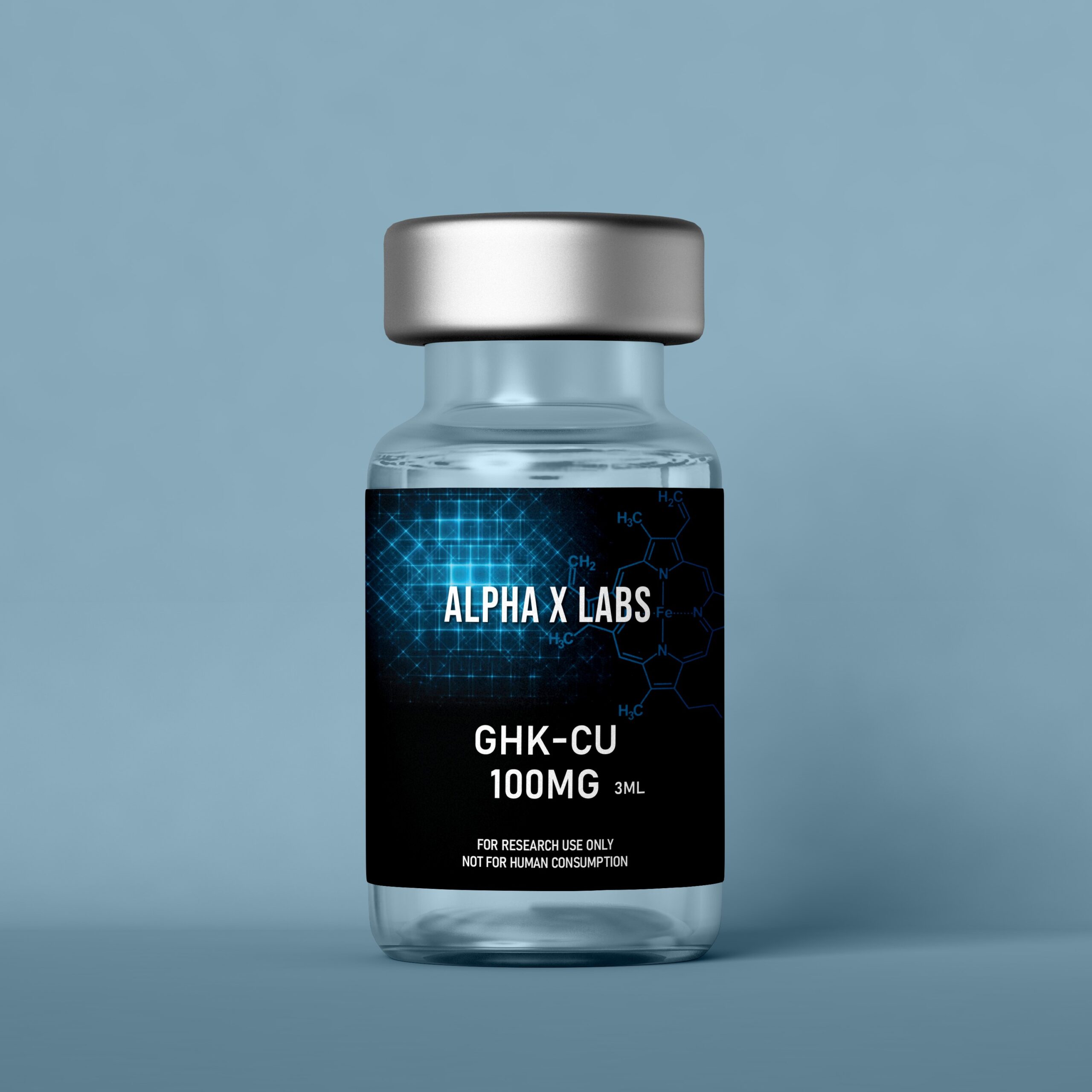
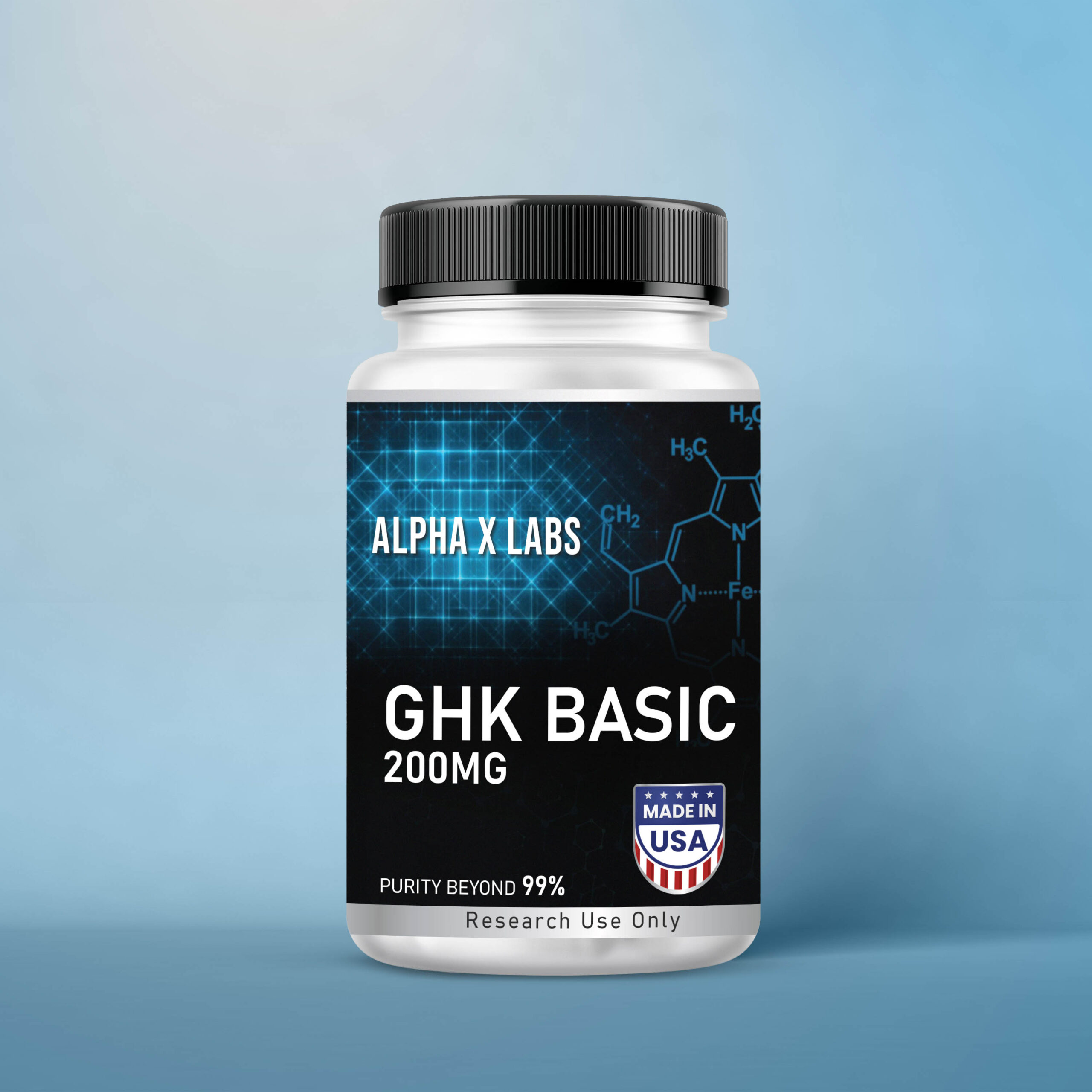
GHK Basic is a tripeptide composed of glycine, histidine, and lysine amino acids. It is a naturally occurring tripeptide found in plasma, urine, saliva, and other body fluids. GHK is produced by various cell types, including fibroblasts, lymphocytes, and macrophages. It is also found in high concentrations in platelets and certain tissues such as the liver and brain. GHK appears to have a high affinity for copper and may regulate numerous biological processes, including wound healing, tissue repair, and immune response.
GHK also has been suggested to play a role in regulating ion channels, enzymes, receptors, and gene expression. Levels of GHK may fluctuate over the course of cell lifespan, and these changes may contribute to cell ageing, resulting in impaired tissue repair and regeneration and a decline in immune function. GHK may stimulate collagen production and play a role in wound healing and skin cell function. GHK may also have antioxidant and anti-inflammatory characteristics.
Chemical Makeup
Molecular formula: C14H24N6O4
Molecular weight: 340.4 g/mol
Other known titles: Glycyl-L-histidyl-L-lysine, Tripeptide-1, NSC 379527, Copper peptide
Research and Clinical Studies
GHK Basic Peptide and Wound Healing
Research suggests GHK (or its copper-bound form) may support wound healing. One study reported that, compared to control wounds, wounds exposed to GHK showed increased closure, higher counts of neutrophils and blood vessels, and potentially improved healing outcomes in diabetic and ischemic models. Wounds treated with GHK-enriched dressings approached near-total closure compared with controls and showed increased antioxidant activity, fibroblast activation, collagen production, and epithelialization.
GHK Basic Peptide and Skin Cells
Some studies propose that GHK may influence collagen synthesis, elastin production, and glycosaminoglycans — all important for skin structure and function. Research suggests that GHK may stimulate dermal keratinocyte proliferation, potentially improving skin thickness, hydration, and overall skin quality in experimental models.
GHK Basic Peptide and Inflammation & Oxidative Stress
GHK may also help reduce oxidative stress and inflammation. Experimental data suggest the peptide may reduce free radicals from lipid peroxidation, neutralize harmful radicals, and block the oxidation of low-density lipoproteins. Some studies indicate GHK may reduce inflammatory markers and suppress inflammatory cell infiltration in lung tissue models, while increasing antioxidant enzyme activity.
GHK Basic peptide is available for research and laboratory purposes only. Please review and adhere to the site’s Terms and Conditions before ordering.